

Electronic commerce, commonly known as e-commerce, involves companies and individuals buying and selling goods and services over the Internet. It covers a wide array of transactions, from online retail stores to electronic payments and everything in between.
This digital exchange eliminates geographical barriers, enabling businesses to reach a global audience and consumers to access products and services conveniently from anywhere with an internet connection.
The roots of e-commerce trace back to the 1960s when businesses started using Electronic Data Interchange (EDI) to transfer business documents like purchase orders and invoices electronically. The advent of the internet in the 1990s marked a significant turning point. Platforms like Amazon and eBay emerged, revolutionizing retail by allowing consumers to shop online. As technology advanced, mobile devices and secure payment gateways further propelled e-commerce growth.
Additionally, the rise of e-commerce has been a significant trend over the past few decades, particularly during the COVID-19 pandemic. The pandemic brought about a seismic shift in consumer behavior. Lockdowns, social distancing measures, and concerns about in-person shopping led to a surge in online shopping. This was not just limited to retail goods but extended to services, digital content, and various other products. Businesses that had an online presence or quickly adapted to the digital landscape were better positioned to meet the demands of consumers confined to their homes.
Consumers could browse, compare, and purchase products from the comfort and safety of their homes, often with speedy delivery options. This convenience became a driving force in shaping new consumer habits, even beyond the pandemic.
Business-to-Consumer (B2C): This is the most common form, where businesses sell products or services directly to consumers. Examples are retail marketplaces, food delivery services, fashion stores and subscription platforms.
Business-to-Business (B2B): In this model, transactions occur between businesses. It involves the sale of products or services from one company to another. Examples include wholesalers selling to retailers or manufacturers selling to distributors.
Consumer-to-Consumer (C2C): This type involves transactions between individual consumers. Individuals can buy and sell products or services directly to other consumers. Examples are Amazon, Ebay, Jumia and Konga.
Consumer-to-Business (C2B): Individual consumers offer products or services to businesses. This can include freelancers or independent contractors offering their skills or products to companies, often seen on platforms like Upwork or Fiverr.
Others include Business-to-Government (B2G), Government-to-Business (G2B), and Social Commerce.
E-commerce payment refers to the financial transactions that occur online when purchasing goods or services through electronic platforms or websites. It involves various methods by which customers pay for their online purchases securely and conveniently.
Here is a simplified e-commerce payment flow for you to easily understand.
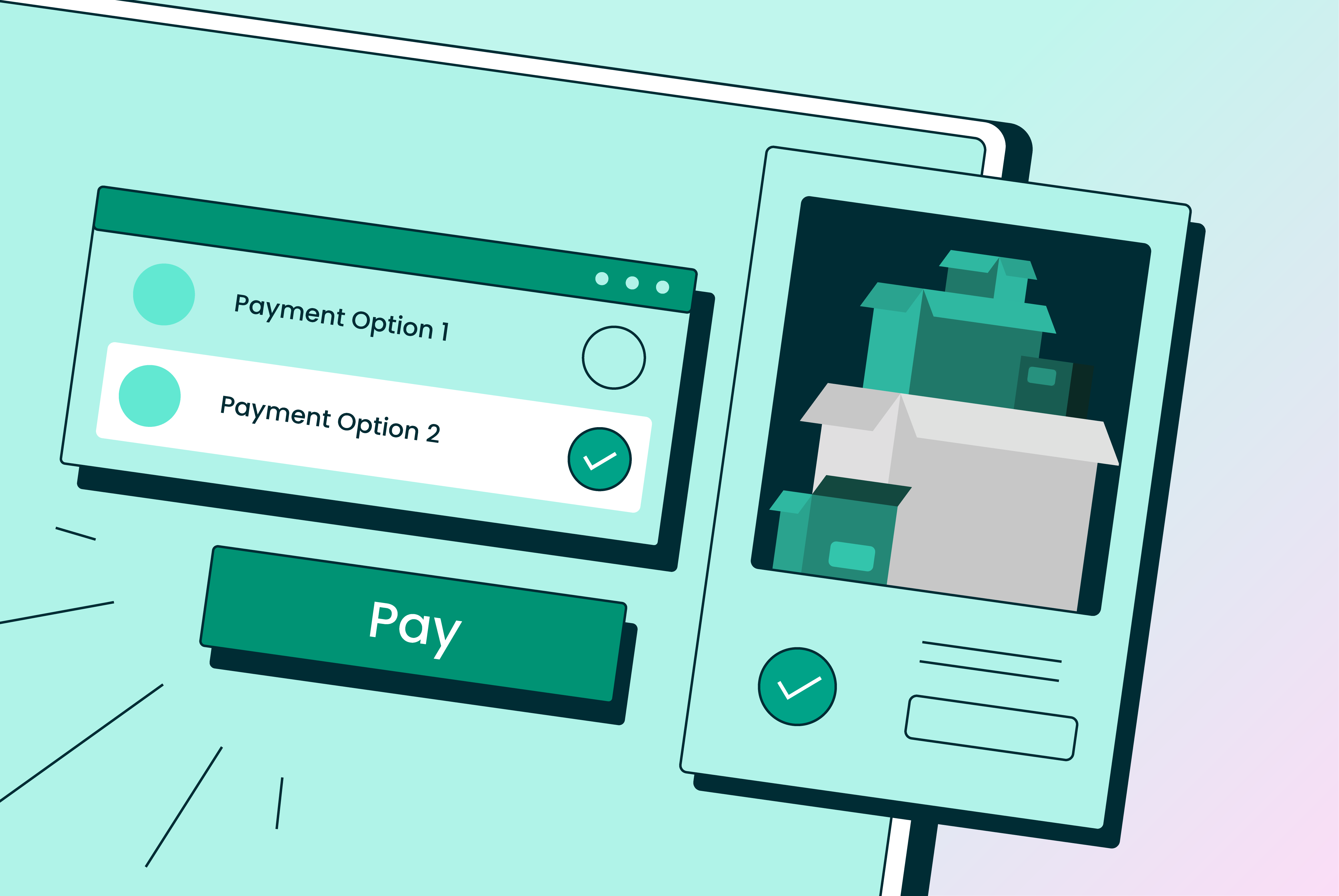
E-commerce websites offer many payment methods to cater to diverse customer preferences. Some of the most common and widely used payment methods in Nigeria include:
Pay with Card - Debit cards allow users to make purchases by withdrawing funds directly from their bank account.
Buy Now Pay Later - This service allows customers to receive goods upfront and pay in installments or later, attracting those seeking budget-friendly options or those with varying cash flows.
Bank Transfer - Bank transfers involve direct transactions from the customer's bank account to the merchant's account.
Cash on Delivery - This ****allows customers to pay for their purchases in cash upon delivery. It's particularly prevalent in regions with lower online payment adoption rates or where customers prefer examining goods before paying.
USSD - This mobile technology enables users to access services through text-based menus on their mobile phones. This is beneficial in regions with limited internet access.
Convenience - E-commerce payments offer unparalleled convenience. With a variety of payment options, customers can swiftly make purchases from anywhere, at any time, eliminating geographical constraints. This flexibility caters to a wide consumer base.
Improves conversion rate - When customers encounter difficulties with their preferred payment method, they tend to abandon their shopping carts. For instance, a customer may not have their payment card at hand, which may lead to frustration. Having a variety of payment options available, however, enables the customer to switch to a more convenient method and complete their purchase successfully.
Accessibility and Global Reach - These payment systems transcend borders, allowing businesses to access a global customer base. Accepting different currencies and payment methods broadens market reach, fostering business growth.
Automation and Efficiency - Automated payment systems streamline transactions for both customers and businesses. Payment gateways and APIs facilitate quick and accurate processing, reducing administrative burdens.
Transaction Fees - E-commerce platforms and payment gateways often charge transaction fees, cutting into profit margins for businesses.
Technical issues/downtime - Glitches in payment gateways or network downtime can disrupt transactions, leading to frustrated customers and potential revenue loss.
User Experience Concerns - Having too many payment options or a confusing checkout process might overwhelm customers, leading to cart abandonment.
Are ready to get started with Duplo? Here you go.
Discover what Duplo can do for your business.
Get ready to improve your payment processes.


